Ultrasonic Immersion Testing (UT)
Subsurface irregularities and flaws can be detected by using a combination of immersion ultrasonic testing techniques.
Precision Flaw Detection
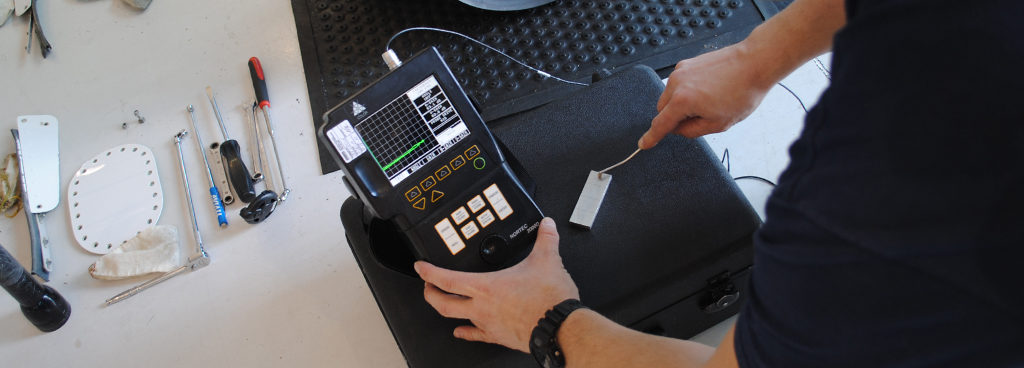
Ultrasonic testing uses high-frequency sound waves to detect internal flaws or characterize materials. Our advanced immersion techniques provide highly accurate scans for various materials including castings, forgings, composites, and welds, ensuring compliance with the highest standards.

Advanced Scans & Techniques
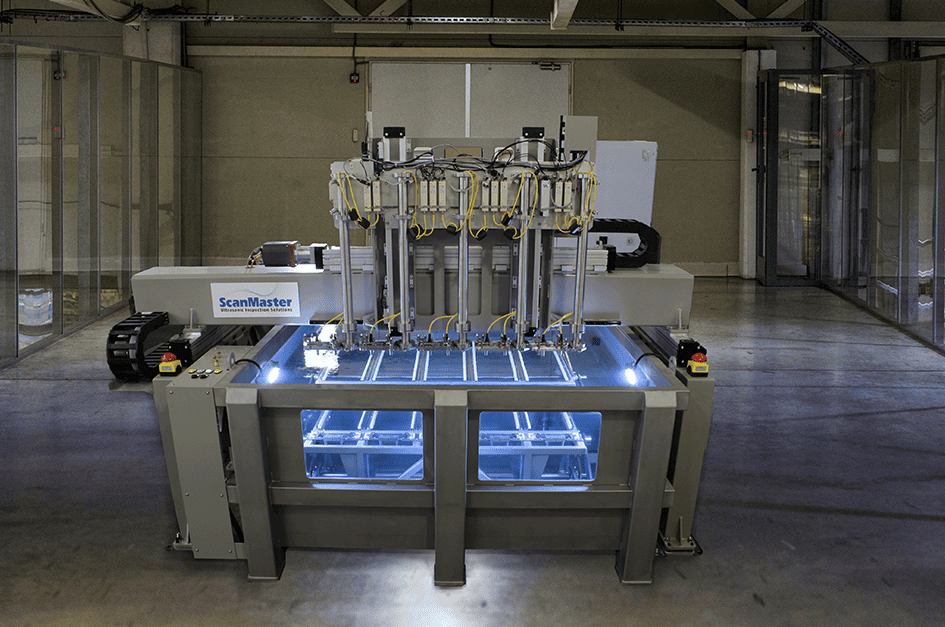
By using ultrasonic 'A', 'B' or 'C' scans on castings, forgings, composites and welds, we can detect defect indications to the most stringent inspection standards. During an immersion ultrasonic test, the component part is immersed in some form of liquid, usually water, that acts as a coupling medium between it and the ultrasonic probe.
- A, B, or C scans
- Semi-automated and fully automated systems
- Immersion techniques using liquid coupling
High-Capacity Inspection Services
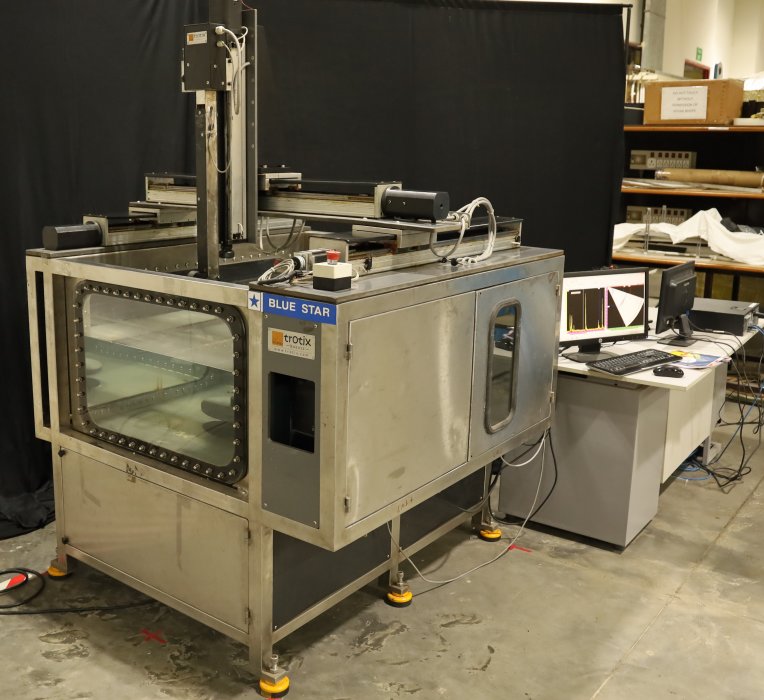
These tests are usually semi-automated and with seven systems available and a 24-hour seven day per week service, we have the capacity and approvals to meet the most rigorous demands in terms of turn around and accreditation.
- Seven dedicated systems
- 24/7 service availability
- Fast turn around times
Other Services

Ready to get started?
Contact our engineering team to discuss your project requirements and receive a tailored solution.